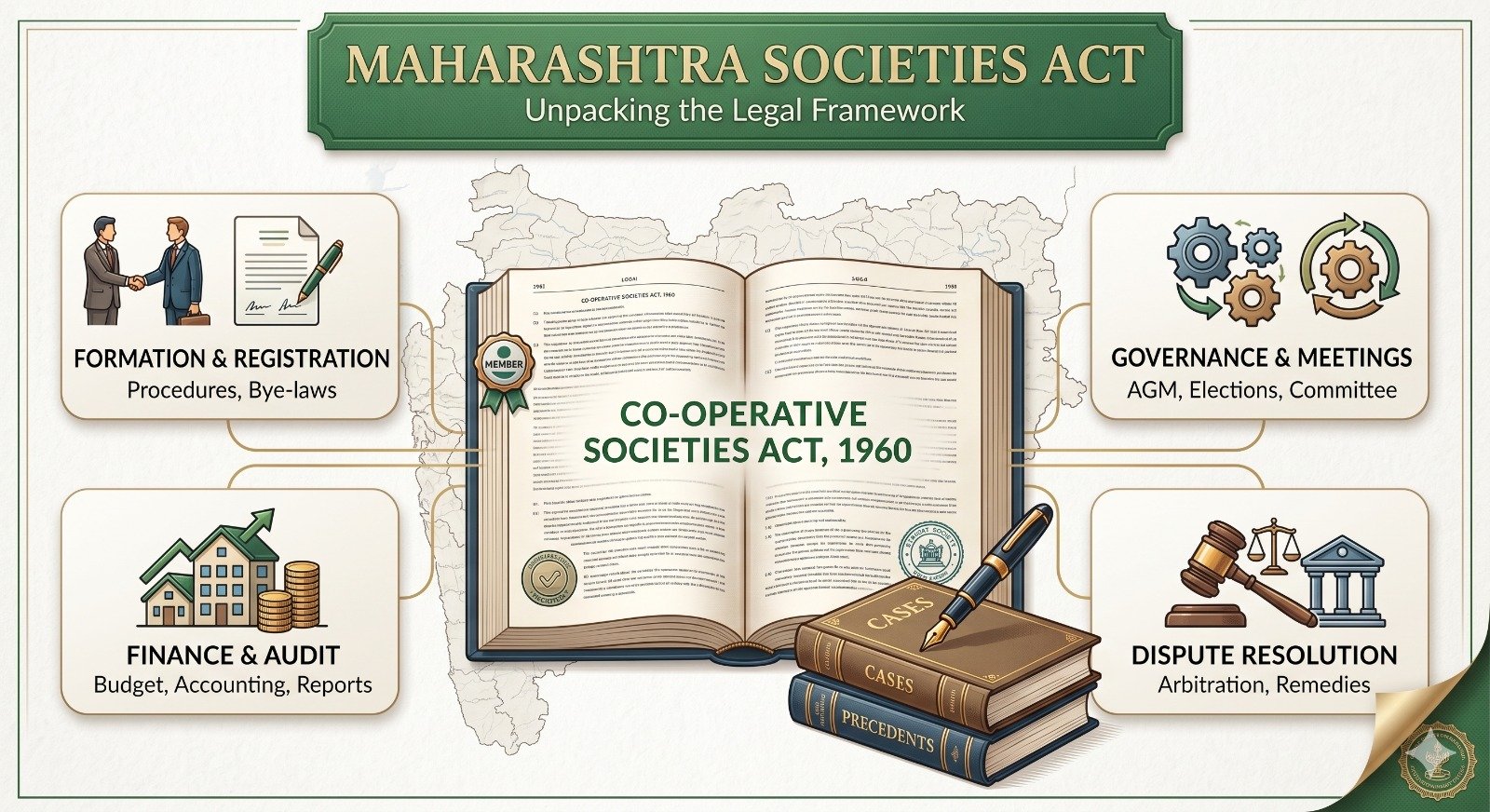
A complete guide to learning society billing, accounting, administration, bylaws, compliance, and career opportunities under the Maharashtra Co-operative Societies Act 1960 training framework in Mumbai.
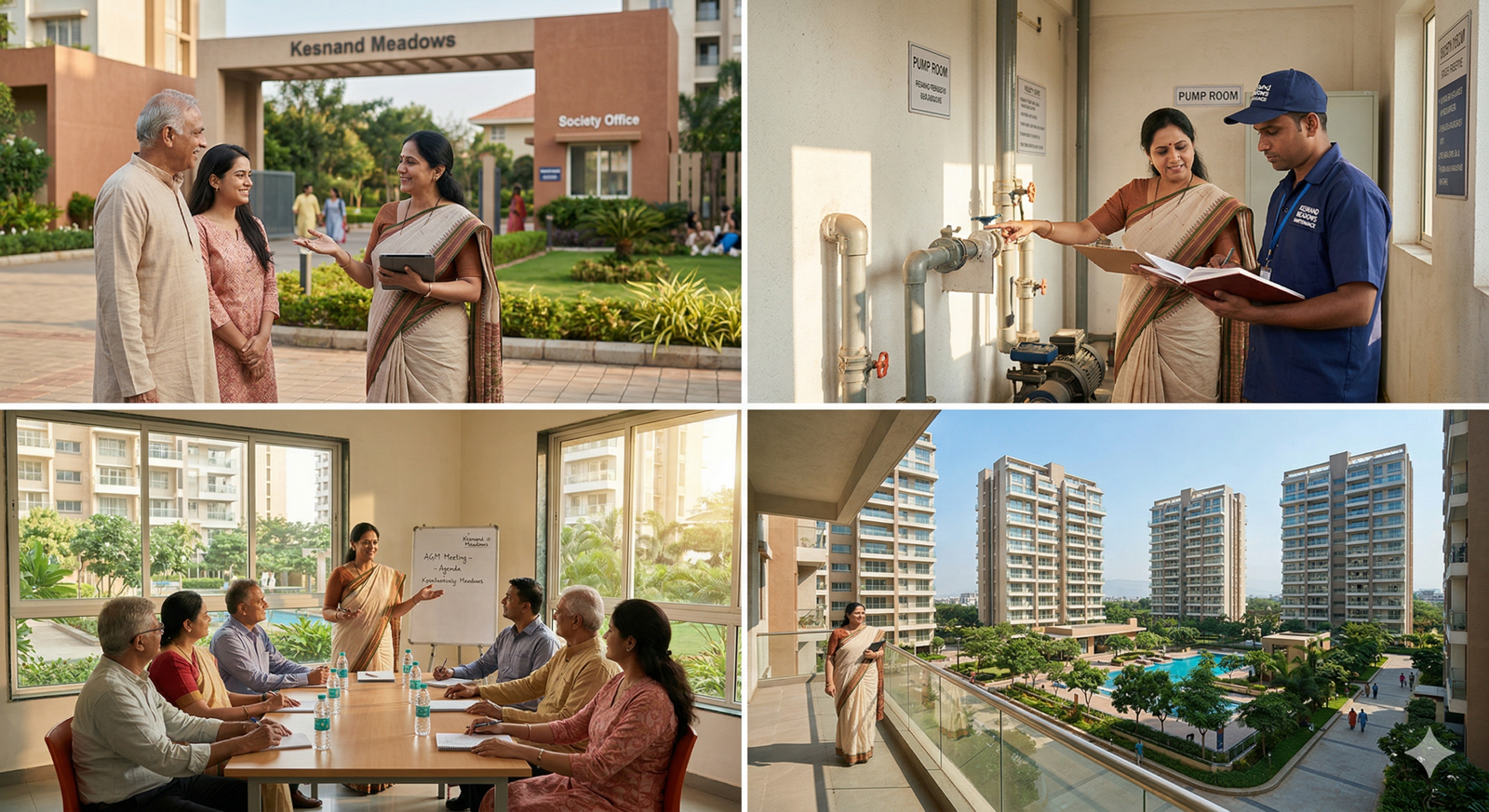
What Does a Society Manager Actually Do? (Real Daily Tasks)
A Society Manager plays a key role in keeping residential communities running smoothly. From handling daily operations to solving resident issues, their job is a mix of management, coordination, and problem-solving. Let’s break down what they actually do on a daily basis. 1. Morning Inspection & Maintenance Check 🔧 The day usually starts with a round of the society to check: This helps identify problems early before they become serious. 2. Managing Staff & Vendors 👷 Society managers coordinate with: They assign tasks, monitor work, and ensure everything runs efficiently. 3. Handling Resident Complaints 📞 One of the most important tasks is resolving issues raised by residents, such as: Quick and professional resolution is key to maintaining harmony. 4. Financial Management 💰 They manage society finances, including: This ensures smooth financial operations. 5. Security & Safety Monitoring 🛡️ Ensuring safety is a top priority. This includes: 6. Coordinating Repairs & Maintenance 🏗️ From minor repairs to major work, society managers: 7. Documentation & Compliance 📋 They maintain records such as: This keeps operations transparent and organized. 8. Communication with Committee & Residents 🗣️ They act as a bridge between: Regular updates and meetings are part of the role. Conclusion A society manager’s job is dynamic and responsibility-driven. It’s not just a desk job — it involves being active, responsive, and solution-oriented throughout the day.

Growing Real Estate Industry and Rising Demand for Society Managers
Introduction The real estate industry is one of the fastest-growing sectors in 2026, driven by rapid urbanization, population growth, and increasing demand for modern living spaces. As cities expand and infrastructure improves, the need for organized and efficient property handling has become more critical than ever. Expansion of the Real Estate Sector With continuous development of residential apartments, gated communities, and commercial spaces, the real estate market is witnessing steady growth. Developers are launching new projects across urban and semi-urban areas to meet the rising housing demand. This expansion is not just about construction — it also brings a long-term need for managing these properties effectively. The Rising Importance of Property Management As property ownership increases, individual owners and investors are relying more on professional property managers. These professionals handle leasing, maintenance, financial tracking, and tenant relations, ensuring that properties remain profitable and well-maintained. This shift from self-management to professional management is a clear indicator of the industry’s maturity and growth. Increasing Demand for Society Managers Alongside property management, the role of society managers has become equally important. Every residential society requires someone to manage daily operations such as: As more housing societies are developed, the demand for skilled society managers is increasing rapidly. Why This Demand Will Continue to Grow The need for society and property managers is not temporary. It is directly linked to urban growth, which is expected to continue for decades. Unlike many other professions affected by automation, these roles require human interaction, decision-making, and on-ground presence. Career Opportunities in This Field The growing real estate sector is opening up multiple career paths, including: With experience, professionals can also start their own property or facility management businesses. Conclusion The expansion of the real estate industry is creating a parallel demand for skilled management professionals. Society managers and property managers are no longer optional roles — they are essential for the smooth functioning of modern communities.